

The Wash Day Series: Part 8 ~ Protective Styling: When Is It Actually Protecting Your Hair?
We love a protective style.
Braids. Twists. Buns. Wigs. Sew-ins. Ponytails. Cornrows and sooo many more! We put our hair away for a few weeks and think, Great! I’m giving my hair a break. But are we? Because here’s the thing: just because we call a style “protective” doesn’t automatically mean it’s protecting your hair.
A protective style should do exactly what the name suggests— protect your hair. It should reduce daily manipulation, help you retain length, protect your ends, and give your hair a break from some of the styling practices that can cause unnecessary stress.
But when a style is too tight, left in too long, installed on unhealthy hair, or neglected underneath, that “protective” style can actually become another source of damage.
So, let’s talk about what protective styling should really look like.
What Is a Protective Style?
At its simplest, a protective style is a hairstyle designed to minimize manipulation and reduce exposure of the hair—particularly the ends—to everyday wear and tear.
That could mean:
- Braids or twists
- Cornrows
- Buns and updos
- Wigs
- Sew-ins
- Crochet styles
- Flat twists
- Ponytails
- Even a simple low-manipulation hairstyle
Note —a protective style doesn’t necessarily have to involve extensions or keeping your hair hidden for weeks.
Sometimes protecting your hair simply means doing less to it. Less combing. Less brushing. Less heat. Less pulling. Less daily restyling. That’s really the point!
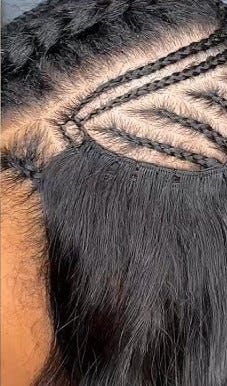
Sew-ins can be a great protective styling option for some hair types and lifestyles.
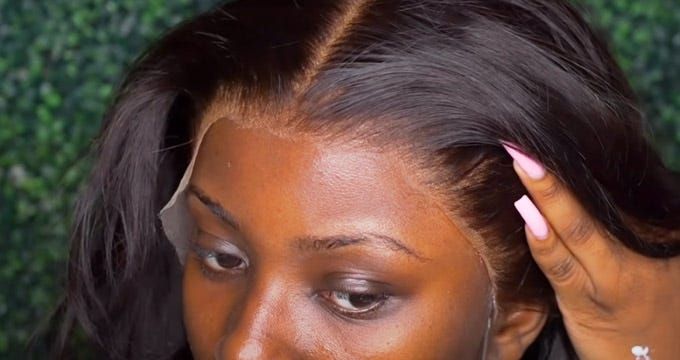
For some, wig installs offer a convenient way to change up their look while giving their natural hair a break.
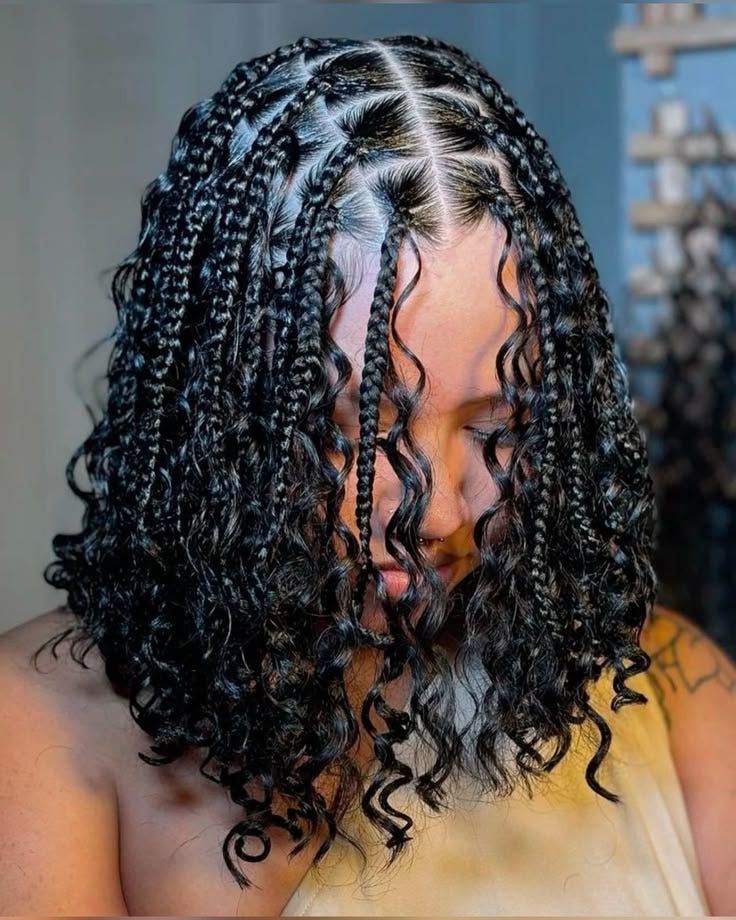
Braids offer complete styling freedom while giving your hair a break from daily manipulation.
Ponytails are a quick go-to when you want a polished look without a lot of effort.
The Style Is Only Protective If Your Hair Can Handle It
Before installing any protective style, we need to look at the condition of the hair. Is it dry? Is it already breaking? Are your ends damaged? Is your scalp irritated? Is your hairline thinning? If the answer to any of these is yes, putting the hair into a tight or long-term style doesn’t make those problems disappear. You’re simply covering them up.
Protective styling works best when you’re protecting hair that has been properly prepared first. That means starting with a clean scalp, properly conditioned hair, adequate moisture and, when necessary, trimmed ends.
Think of it this way: You don’t want to put unhealthy hair away and hope it comes out healthy eight weeks later. What happens before the style matters. Address the challenges going into the protective style, so that the after the takedown you begin to see some progress towards your overall goals.
Preparation Is Part of the Protection
I can’t stress this enough. Before braids, twists, sew-ins, wigs or any style that will remain in place for an extended period, give your hair a proper wash day. Cleanse the scalp thoroughly. Condition the hair. Detangle gently. Moisturize appropriately for your hair type. And make sure the hair is completely dry before it is tucked away, particularly when extensions, wigs or weaves are involved.
This is also a good time to assess the condition of your hair. If your ends need trimming, trim them. If your hair needs additional moisture, address it. If your scalp is irritated, don’t ignore it just because you have an appointment to get your hair braided tomorrow. Healthy hair underneath should always be the priority!!! It pains me to see how much this is not the primary goal with providers of protective styles.
Let's Talk About Tension
This is probably one of the biggest issues I see with protective styling. Tighter does not mean better. Your braids don’t need to hurt to last or take your edges all the way out!! Have mercy on alllll of our edges! Your ponytail doesn’t need to pull your eyes back to look sleek. And you shouldn’t have to take pain medication just to get through the first few days of a hairstyle.
Pain is information. If a style is causing significant discomfort, bumps, redness, headaches, or excessive pulling around the hairline, your scalp is telling you something.
Listen. Repeated tension can weaken the hair around the temples and hairline and, over time, may contribute to traction alopecia—a form of hair loss caused by prolonged or repeated pulling on the hair. Unfortunately, once that damage progresses far enough, it may not always be reversible. So please, don’t sacrifice your hairline for a hairstyle!
Pay Special Attention to Your Edges
Our edges tend to be finer and more fragile than the rest of our hair, yet somehow they often receive the most manipulation. We braid them. Brush them. Gel them. Slick them. Tie them down. And then repeat the process tomorrow. Sheesh! They really need tlc, especially if they have been through it. Having a baby, hair thinning as a result of age, hormonal changes and medication, stress and so many other things contribute to tender edges. We have to protect them at all costs!!
Even while wearing a protective style, your edges need protecting too. If you’re wearing braids, the smallest hairs around your hairline don’t necessarily need to be forced into every braid. I have even held the braids at the root while my braider braids that section, to make sure that they don’t run away during the takedown. If you’re wearing a wig, pay attention to friction and adhesives around the hairline. That can be a sureeeeee way to eliminate fine hair and damage the follicles during the process.
If you’re wearing ponytails or buns, change the position periodically so you’re not repeatedly placing tension on the same areas.
Sometimes protecting your edges means simply leaving them alone.
Moisture Doesn’t Stop Because Your Hair Is Hidden
This is another big one. Out of sight should not mean out of mind. Your natural hair still needs care underneath braids, wigs, extensions and sew-ins.
How much moisture you need and how frequently you need it will depend on your hair type, the style, your environment and how long you’re wearing it. But don’t wait until removal day to remember that your hair exists!
For some styles, a light water-based moisturizing spray may be enough. For others, you may need to carefully apply a small amount of leave-in or lightweight moisturizer to accessible areas.
For Braids in particular, it is the perfect time to add Growth Oils and Serums. Utilize the partings that are already there and slide a small amount throughout the partings every few days. Don’t neglect to take some of the oil/serum down the shaft of the braid to ensure that your actual hair receives moisture as well. The braiding hair and braiding gel can sometimes dry your actual hair out a bit.
The goal is not to saturate the style with product. But to use enough to be effective. We don’t want layers and layers of buildup sitting on the hair and scalp for weeks. We’re looking for balance . Enough moisture to keep the hair pliable without creating unnecessary buildup.
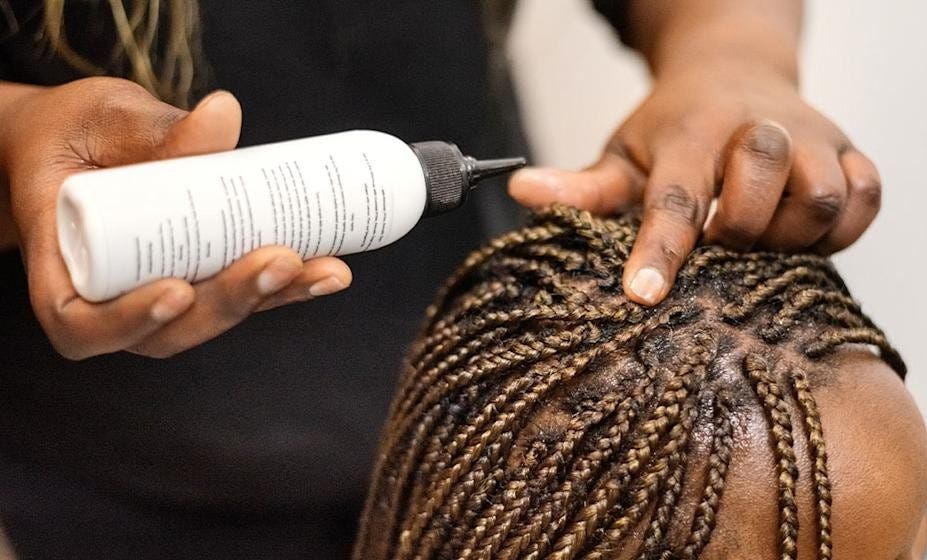
Moisturizing the scalp consistently with Growth Oils and Serums while braided gives you easy access to your scalp for a few weeks.
How Long Should You Keep a Protective Style In?
This is where I want you to pay attention to your hair , not simply the calendar. There isn’t one perfect number of weeks for everyone.
The appropriate amount of time depends on:
-
The type of style
-
How quickly your hair grows
-
The condition of your scalp
-
How much buildup you’re experiencing
-
Whether the style is becoming loose or tangled
-
The health of your hairline
-
How well you’re able to cleanse and moisturize underneath it. This is important over a period of time. This also varies based on the protective style’s limitations.
Generally, the longer a style stays in, the more important maintenance becomes. Longer isn’t always better. If your scalp is extremely itchy, your hair is matting at the roots, your edges are under stress, you’re experiencing excessive buildup, or the style simply isn’t functioning well anymore…
Take it out!!!!!!!! Keeping a style for another two weeks just because you paid good money for it isn’t worth compromising the health of your hair and or scalp.
Be Careful With Back-to-Back Protective Styles
This deserves careful consideration. You take your braids out on Friday and you’re sitting in someone’s chair Saturday morning getting another set installed. Tell me what’s wrong with this picture. Your hair needs a minute!!!
Removing a protective style involves manipulation. There may be shed hair, tangling, buildup and areas that need attention. Give yourself an opportunity to properly cleanse, condition, detangle and assess the hair before putting it away again.
For some people, wearing the hair loose for a period between installations may also help reduce constant tension on the same areas. Remember, we’re trying to protect the hair—not simply keep it hidden.
Removal Is Just as Important as Installation
You can wear the perfect protective style for weeks and still cause unnecessary breakage if you rush through the takedown. Take your time. Don’t yank through knots. When removing braids, one braid at a time, apply detangler/leave-in to the root and comb gently through to detangle. Clear out that section and thoroughly detangle and secure the section before you move on to the next braid. This may seem like a lot on the front end, but it can save you from sooo much hair loss on the back end.
Also….Fun Fact: whatever hair is not properly cleared out WILL matte when you go to wash it.
Don’t panic when you see the hair that comes out while detangling. This is proportionate to the amount of time that you had your protective style in, as well as your natural shedding cycle. Everyone loses a certain number of strands per day. It varies from person to person but truly accumulates over a period of weeks. This can be alarming to see but is normal. Having said that, that circles back to why you MUST detangle one strand at a time with due care and attention.
Protective Styling Should Help You Retain Length
This is the gooood part! Your hair is growing whether it’s in a protective style or not. The difference is how much of that growth you’re able to retain. Protective styling can create the right conditions for you to retain more of the hair you’re already growing.
It can also help you by reducing breakage, manipulation and stress on the ends. That’s why it may be felt that the hair “grows so much” while wearing braids. Yes, your hair grew—but hopefully, you also kept more of that growth because the ends weren’t being manipulated every day. That is what we want….Growth plus retention!
So, Is Your Protective Style Actually Protective?
Checklist - Ask yourself:
Is my hair properly prepared before the style? Is there excessive tension? Are my edges being protected? Can I maintain my scalp? Am I keeping my hair moisturized? Am I leaving the style in longer than I should? Am I gentle during removal? Most importantly… Is my hair as healthy or healthier when the style comes out than it was when the style went in? That last question says a lot about the process and being able to pinpoint if changes need to be made anywhere along the way.
Protective styling can be an incredible tool in a healthy hair routine. It can give us versatility, convenience and a much-needed break from daily styling. But the hairstyle itself isn’t what creates the protection. The way we prepare the hair, install the style, maintain it, and remove it is what makes it protective.
A beautiful hairstyle that leaves you with broken edges, excessive shedding, dryness or damage isn’t protecting anything. So, the next time you’re considering a protective style, don’t just ask yourself: How long will this style last? Ask: What will my hair look and feel like when I take it out? Because THAT is the real test. And be honest—are you really protecting your hair while you're wearing it, or are you guilty of putting it away and forgetting about it until takedown day? Step by Step, these minor changes can help us to walk our way into or continue to maintain healthy hair. Until next time!!!